Product appearance may differ from image.
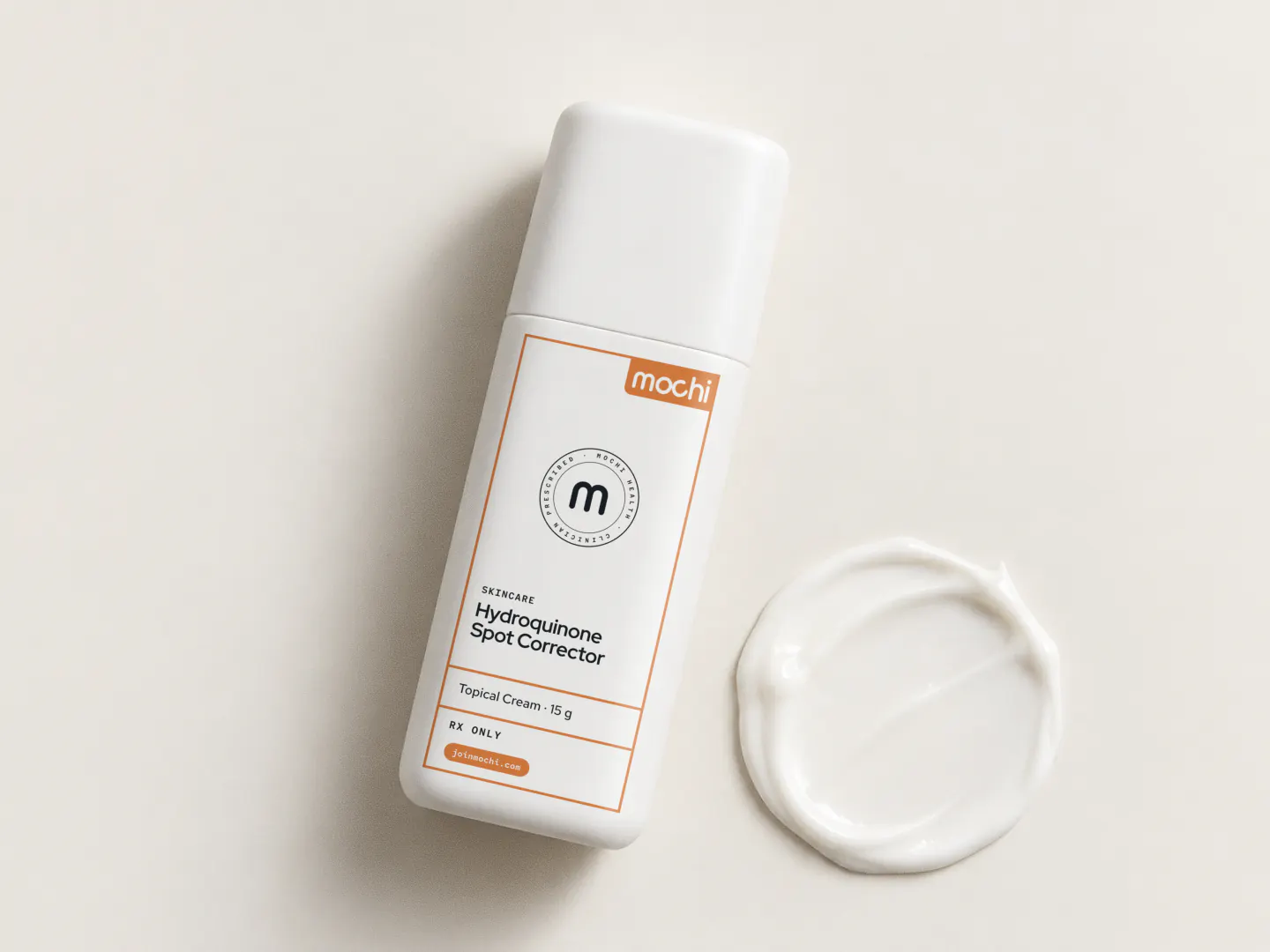
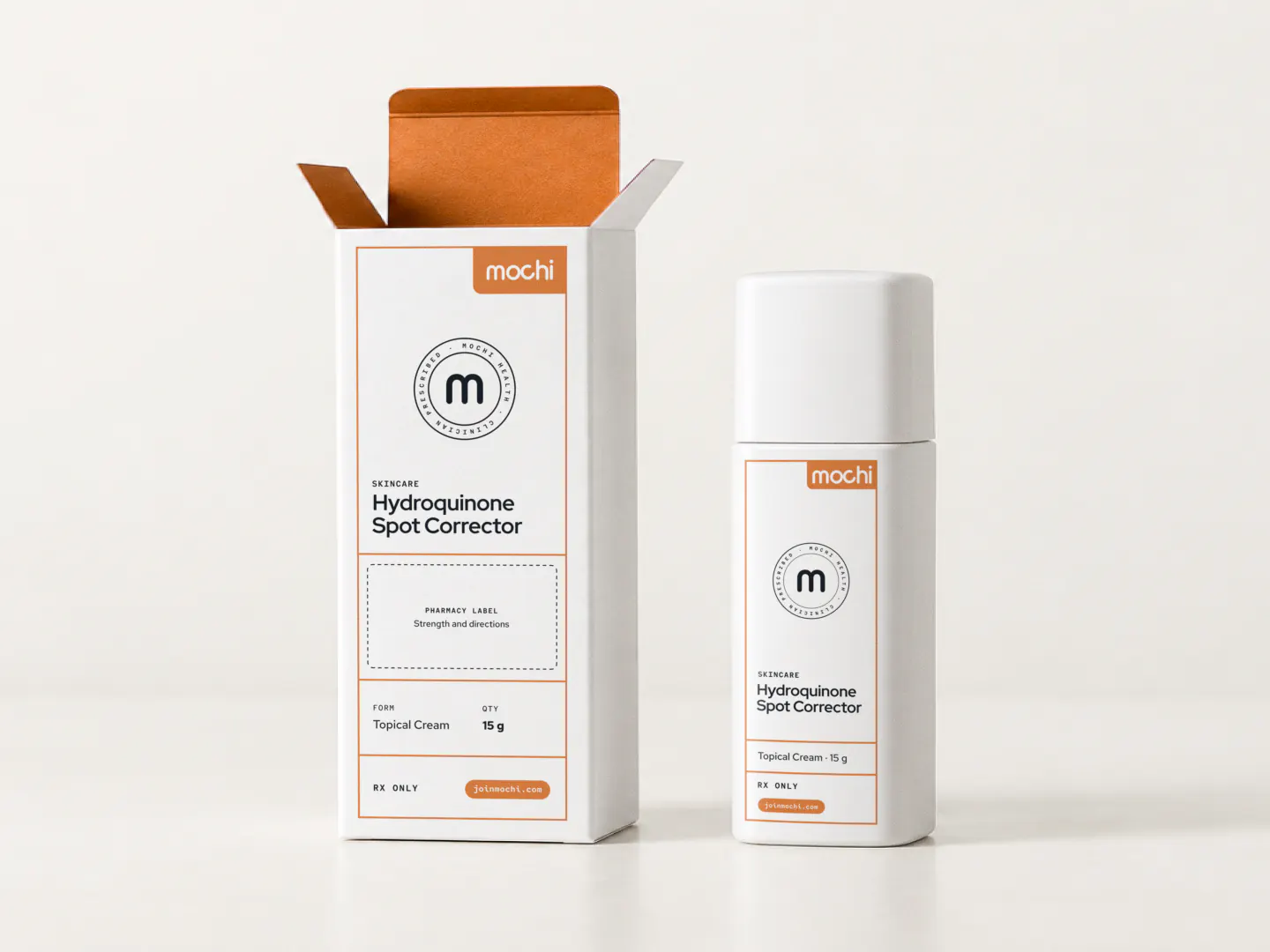
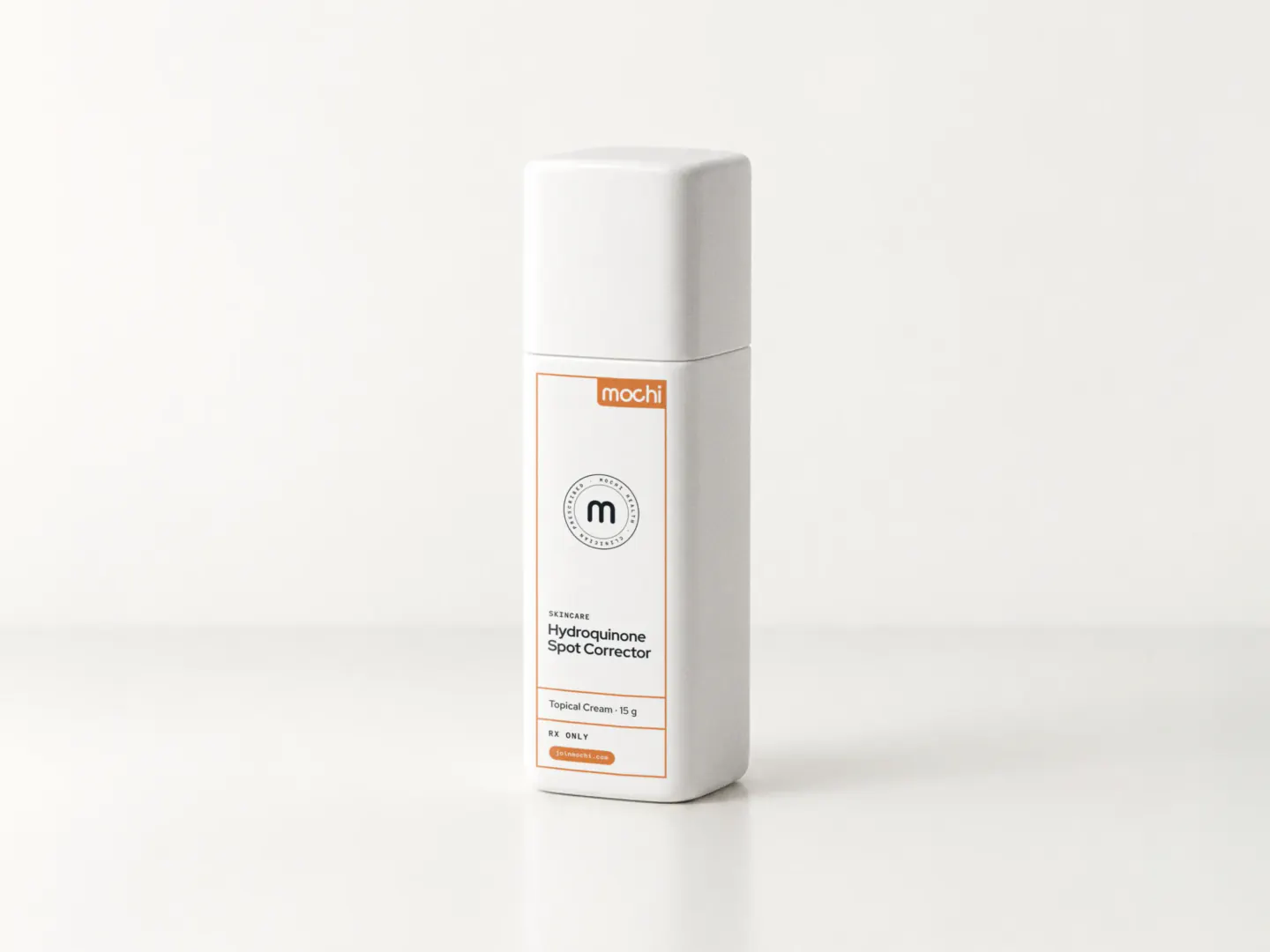
Hydroquinone Spot Corrector
Hydroquinone slows the enzyme your skin uses to make pigment. Our prescription cream pairs it with tretinoin, kojic acid and niacinamide, made for anyone who wants to fade dark spots, melasma and post-acne marks.
$40/ month
Hydroquinone and kojic acid slow tyrosinase, the enzyme that makes pigment, so fewer new dark spots form. Tretinoin speeds up skin cell turnover so existing pigment sheds faster, and niacinamide slows the transfer of pigment to skin cells. Together they work on dark spots from several angles in one nightly step.
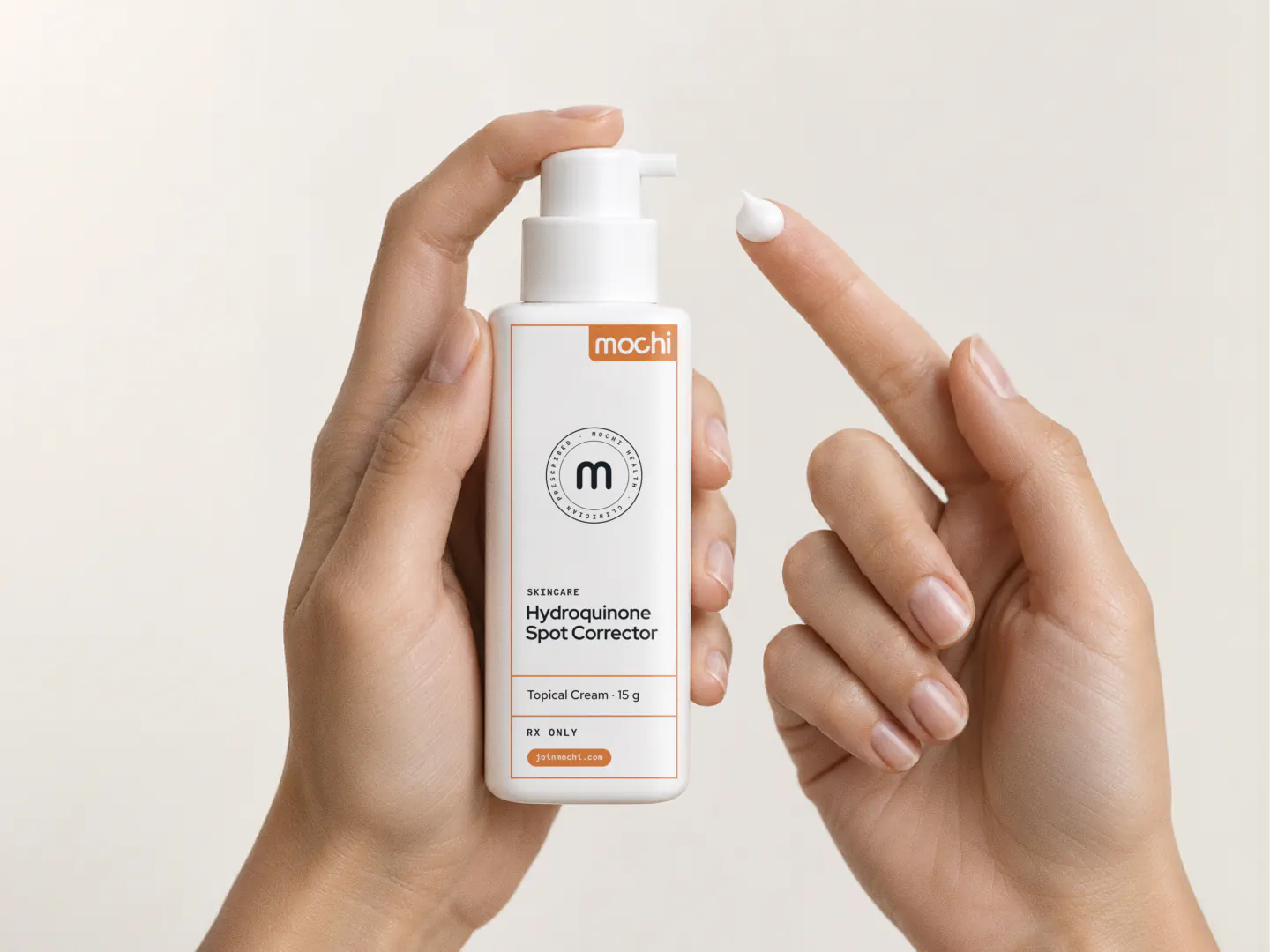
- Apply a pea-size amount to clean, dry skin at night.
- Smooth a thin layer over your dark spots only.
- Follow with a moisturizer if your skin feels dry.
- In the morning, finish with SPF 30 or higher.
- Skip other retinoids, exfoliating acids and scrubs unless your provider says otherwise.
- Hydroquinone (12%)
- Tretinoin (0.025%)
- Kojic Acid (3%)
- Niacinamide (2%)
Hydroquinone Spot Corrector is a compounded product. FDA does not approve nor verify the safety, effectiveness, or quality of compounded drugs.
A licensed provider reviews your online visit before anything is prescribed. Async provider review fee waived on your first Mochi order. Otherwise, $9.99 per async provider review.
What our members have to say
4.8out of 5
I’ve had dark spots on my cheeks for years. They started getting lighter after a month or two on this treatment, and now I barely bother with concealer.
- Very effective
- Easy to use
- Fast delivery
- Clear instructions
- Great value
*Ratings and tags are from Mochi members. Individual results may vary.
What’s in it, and what it does
Four actives in one cream. Each works on dark spots in a different way, so you get one step instead of four.
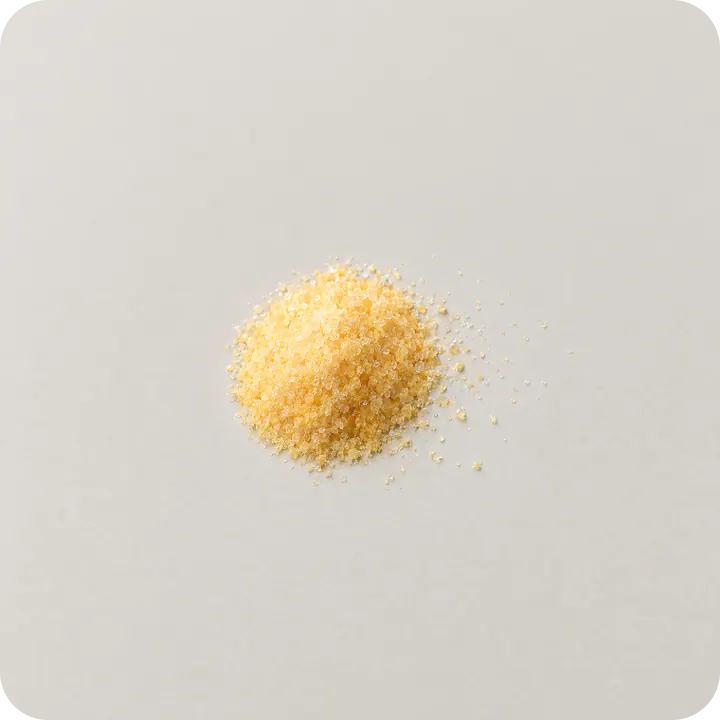
Hydroquinone12%
Slows the enzyme your skin uses to make pigment, so dark spots fade over time.
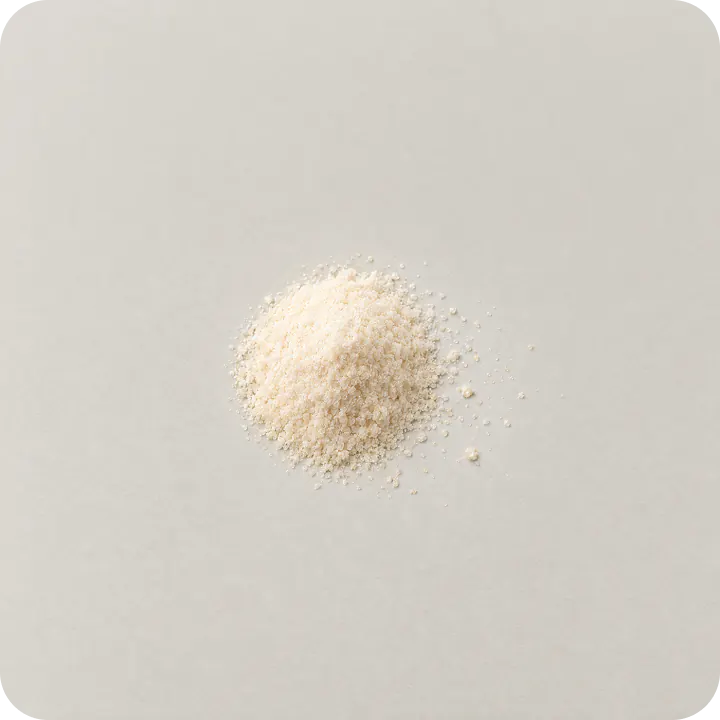
Tretinoin0.025%
A prescription retinoid that speeds up skin cell turnover, so pores stay clear, dark spots fade and skin looks smoother.
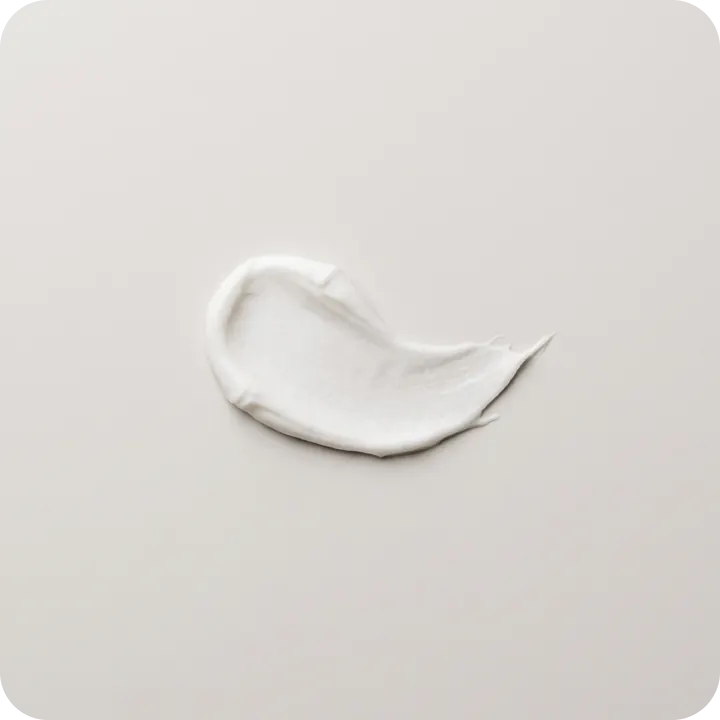
Kojic Acid3%
A gentle brightener that also slows pigment production, working alongside hydroquinone.
Niacinamide2%
Smooths rough texture, fades dark spots, calms redness and helps skin hold on to moisture.
What to expect
One cream, every night. Here’s what hydroquinone studies have shown, and when.
- Week 1
Your skin adjusts
Some redness, dryness or peeling is normal at first.
- Week 4
First signs of fading
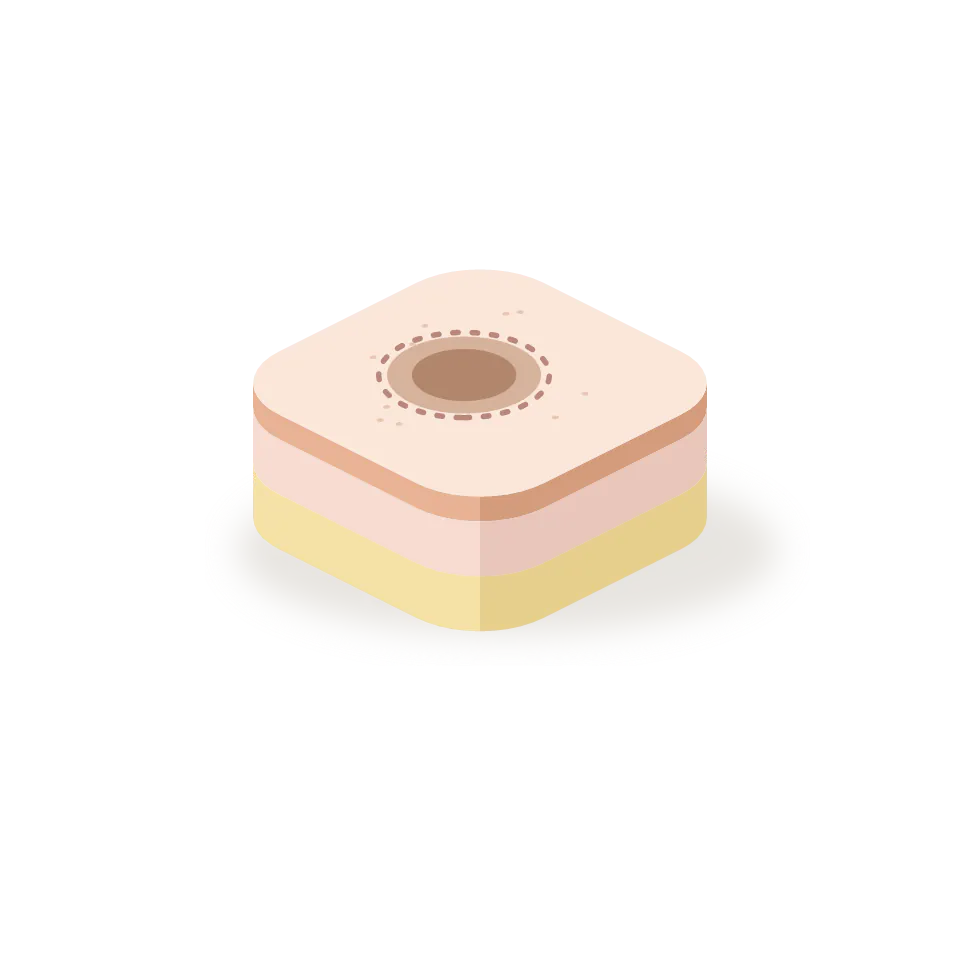
Spots start to look lighter. In studies, this is when the first change showed.¹
- Week 8
Spots visibly fade
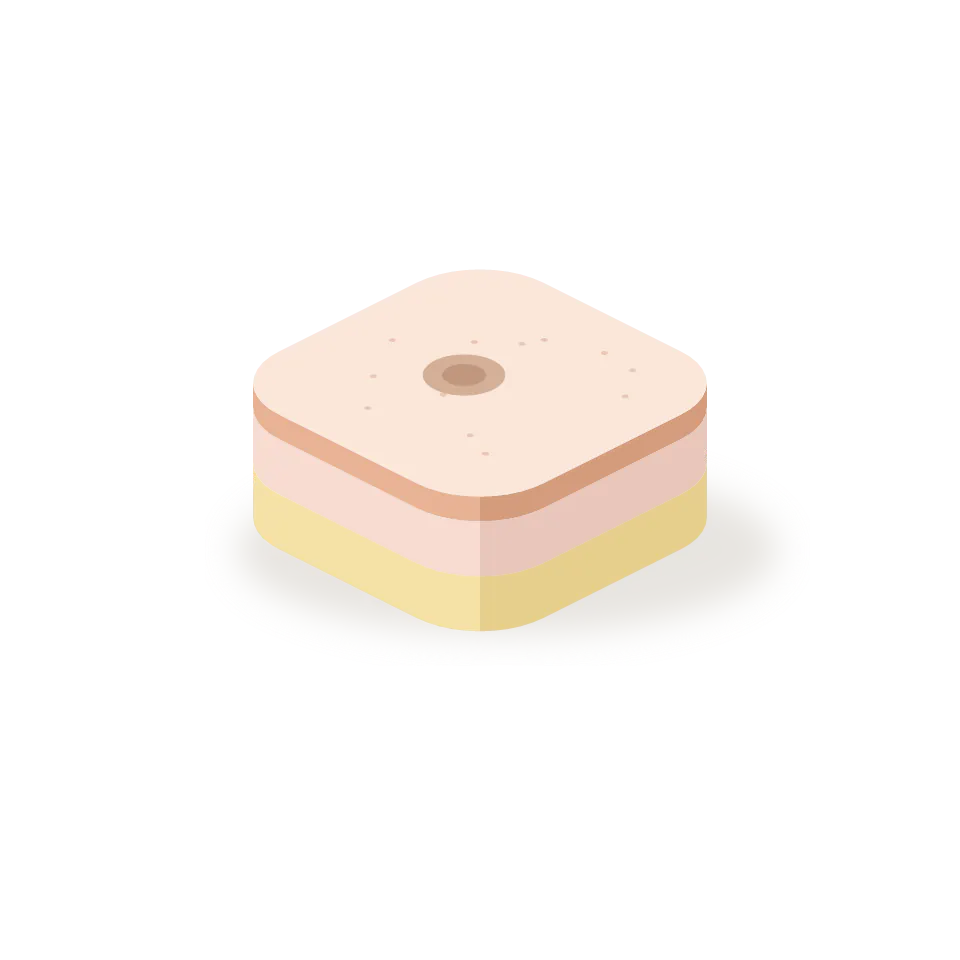
Dark patches look lighter and smaller. With daily sunscreen, melasma severity dropped by about a third by week 8.²
- Week 12
Clearer, more even tone
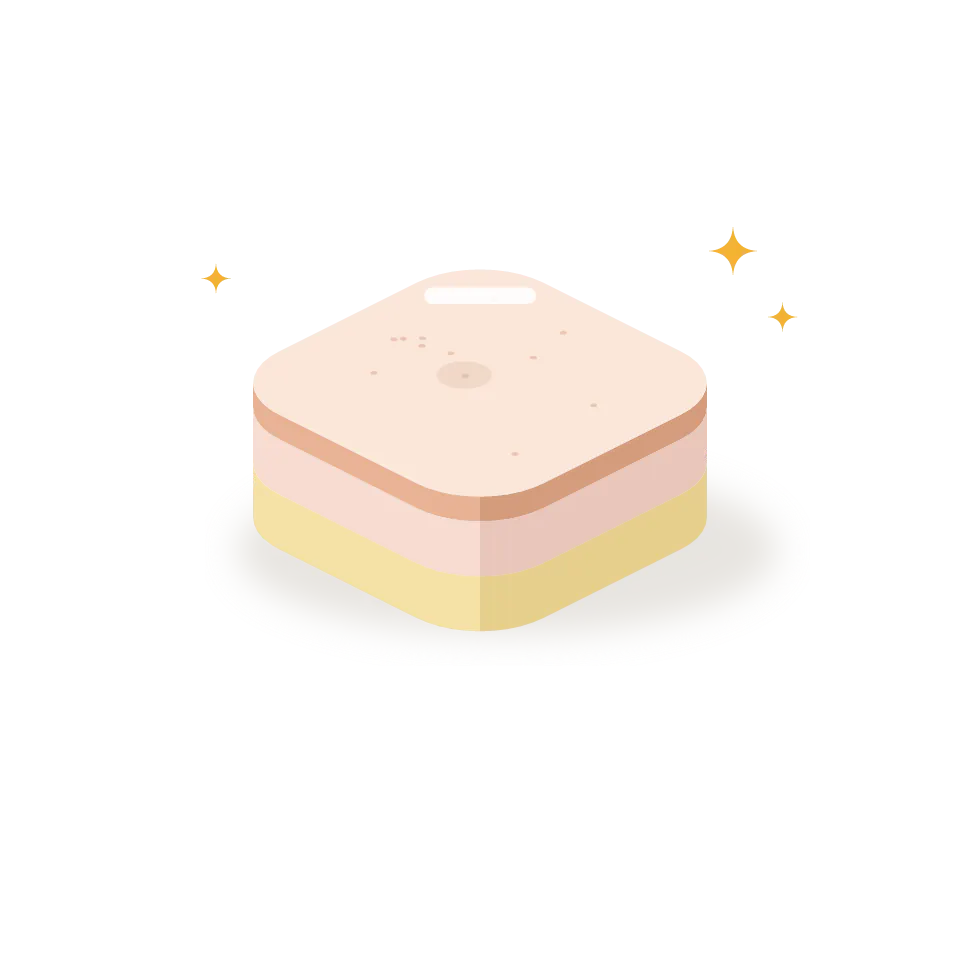
Spots blend in with the skin around them. Melasma kept improving through week 12 in a hydroquinone study.³
Where it fits in your routine
PM- Step 1Cleanse
- Step 2Tone
- Step 3Apply Spot CorrectorWhere we fit
Smooth a pea-size amount over your dark spots only.
- Step 4Moisturize
What makes Mochi’s Spot Corrector different?
Mochi’s Spot Corrector
Over-the-counter brighteners
Prescription-only hydroquinone, one of the most potent ingredients for fading melasma,² plus tretinoin, kojic acid and niacinamide. A licensed provider prescribes it and answers your questions.
Hydroquinone is not sold over the counter in the US, so drugstore creams use milder brighteners like niacinamide or arbutin. You choose on your own, with no provider to ask.
Mochi’s Spot Corrector
Tretinoin alone
Hydroquinone works better paired with tretinoin:² it slows new pigment while tretinoin clears what’s already there.
Tretinoin can fade dark spots on its own, but slowly, without a pigment blocker like hydroquinone.
Mochi’s Spot Corrector
In-office treatments
A cream you use at home each evening, with no clinic visits or sessions to book.
Peels and lasers are done in a clinic, can take more than one session, and may leave skin red or crusted for days. They can also cause new dark spots, more often on darker skin.

How Mochi works
A licensed provider reviews your intake and ships your prescription to your door.
Share your health profile
Complete a quick online intake covering your health history, current medications, and skin goals.
Provider review & prescription
A licensed provider typically reviews your intake within 24 hours and, if appropriate, prescribes your treatment.
Fast, free delivery
Your medication ships straight to your doorstep. Message your provider whenever you have questions.
Hydroquinone Spot Corrector
$40/ month
+ async provider reviewRegularly $9.99$0 first order
Your membership includes:
- Prescription treatment, made for you
- Licensed provider review
- Unlimited messaging with your provider
- Free shipping on every order
Cancel anytime. Charged only if prescribed.
I believe good skin care should be personal, and over-the-counter products can only go so far.
More than 5,000 patients have been prescribed skin treatments through the Mochi platform, and with dozens of formulations to choose from, providers can match the treatment to each patient’s skin type and goals.

Dr. Elizabeth Recupero, DO, MPH, MEd
Medical Director, Mochi Medical
Explore other treatments
 RxSkincare
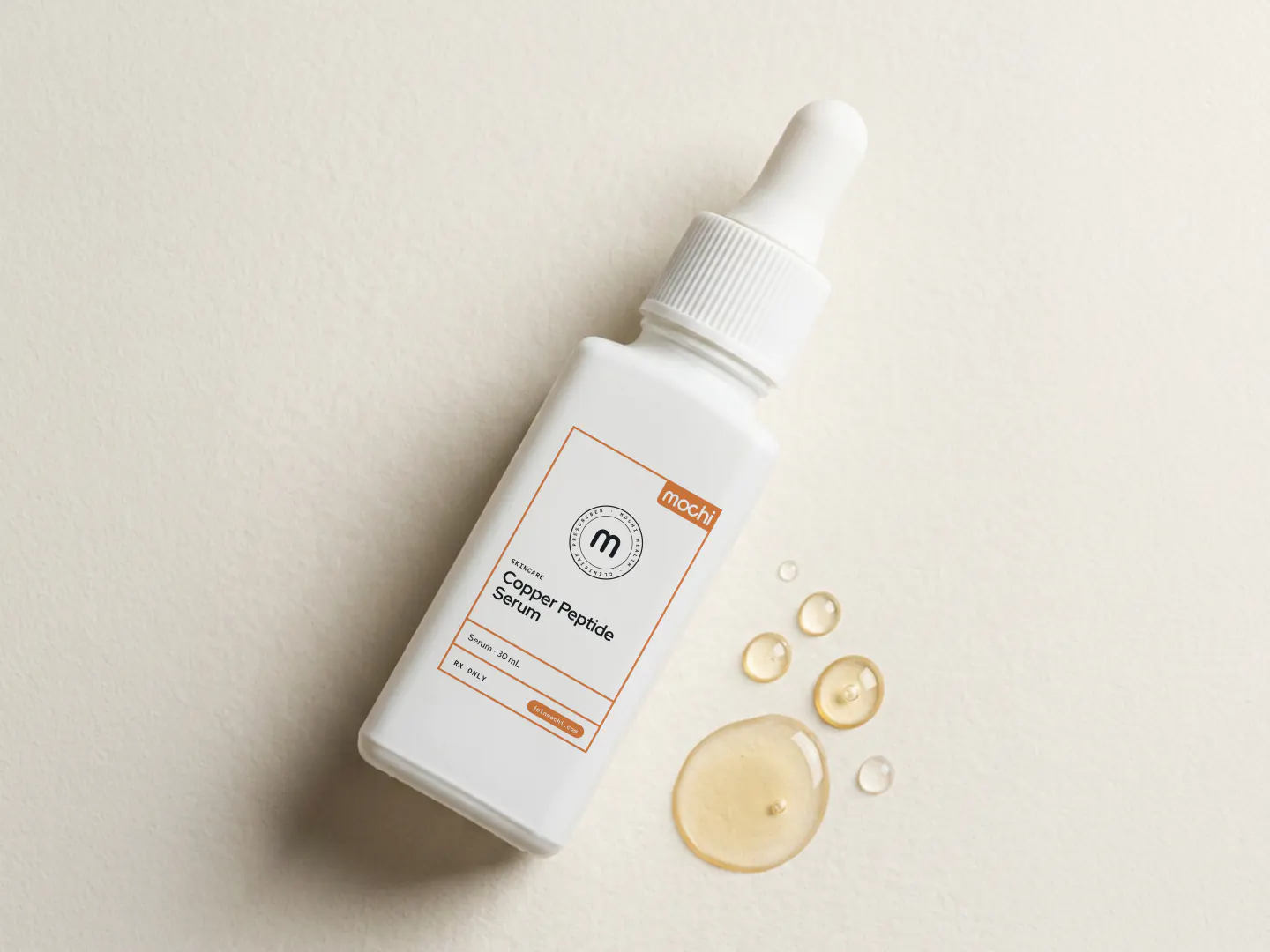
Copper Peptide Serum
$119 / 2 months
A GHK-Cu serum for firmer-looking skin and a more even tone.
 RxLongevity & Peptides
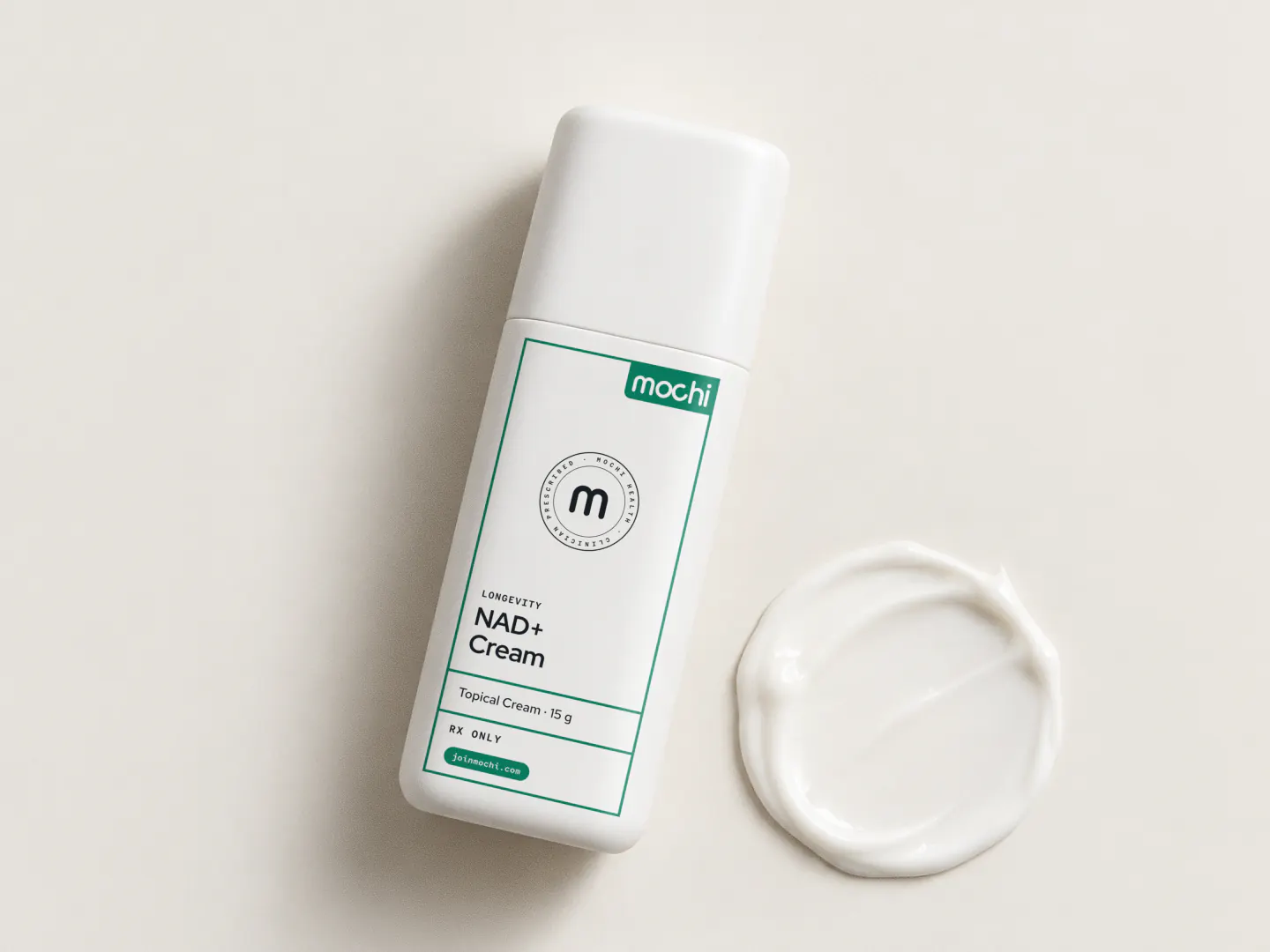
NAD+ Face Cream
$52 / month
NAD+ in a cream for brighter, smoother-looking skin.
 RxWomen's Health
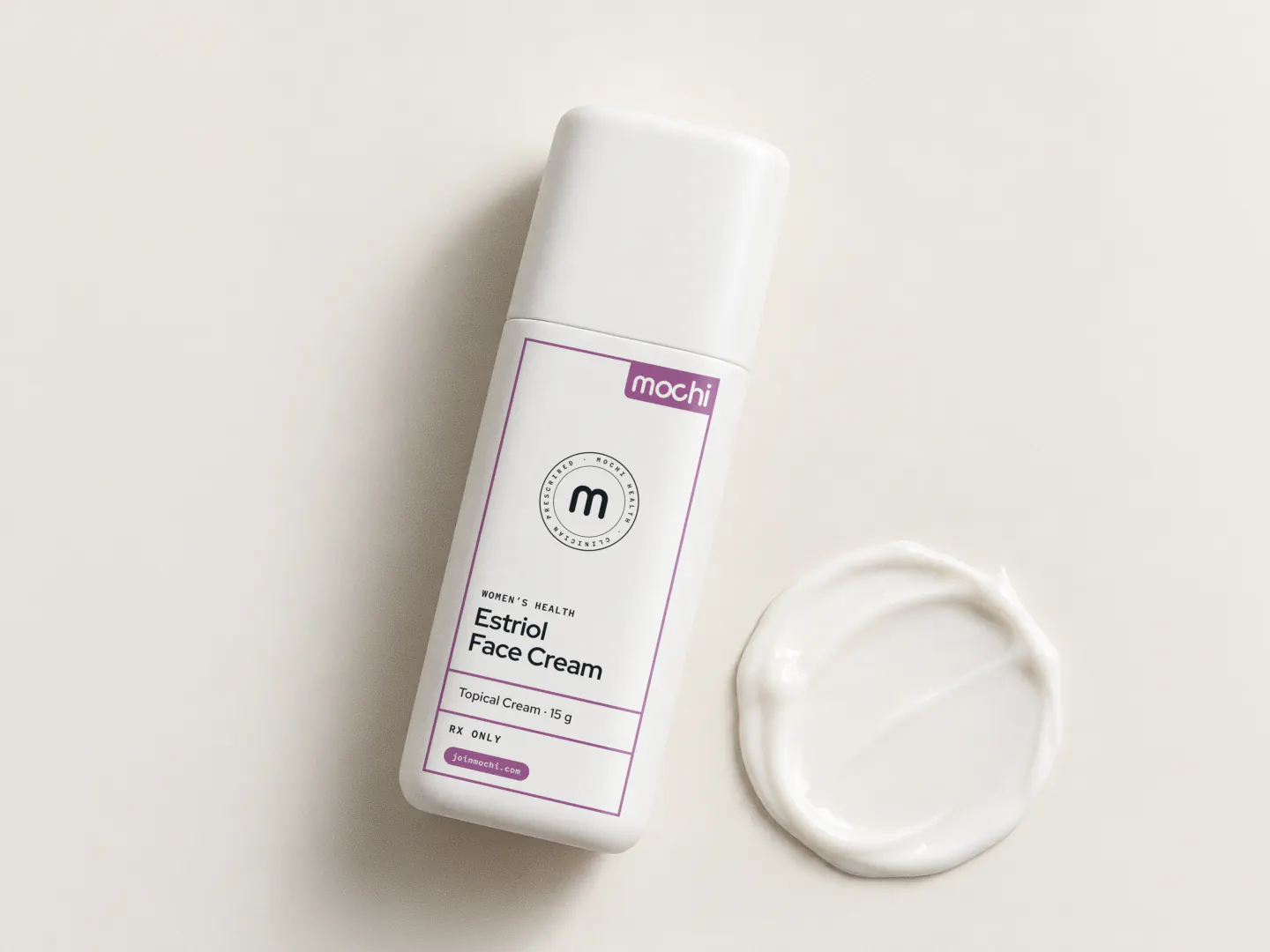
Estriol Face Cream
$65 / 3 months
A prescription night cream for firmer, more hydrated skin in menopause.
FAQs
Answers to the most common questions about Hydroquinone Spot Corrector.
First changes showed around week 4 and clearer lightening by week 8.¹,² Deeper spots and melasma can take several months, so keep going as prescribed even if you see little at first.
Yes, especially at first. In 8-week trials of a related prescription cream, 41% of people had redness and 38% had peeling.¹ Moisturize, and message your provider if burning lasts or gets worse.
4% is the strength in Tri-Luma, the FDA-approved prescription cream.¹ Ours is 12%, three times stronger and the highest strength US compounding pharmacies make.² How well hydroquinone works depends on its strength,² and your provider prescribes 12% when spots need a stronger push.
To keep the risk of ochronosis low. Ochronosis is a blue-gray darkening of the skin that may be permanent. In a review of 126 reported cases, most followed more than 3 months of use.⁴ Your provider sets your course and break. Stop and message them if treated skin darkens.
Yes, every morning. Sunlight keeps pigment cells active and can undo your results. Use broad-spectrum SPF 30 or higher, reapply every 2 hours outdoors, and add a wide-brimmed hat.
Don’t use it if you’re pregnant or trying to get pregnant, because tretinoin can harm a developing baby and hydroquinone is absorbed into the body through the skin. Safety while breastfeeding isn’t established, so talk to your provider.
Not without your provider’s OK. This cream already contains tretinoin, a prescription retinoid, so adding retinol doubles up. Skip exfoliating acids, scrubs and drying products, and stick to a gentle cleanser, a plain moisturizer and sunscreen.
Hydroquinone Spot Corrector is made by a state-licensed compounding pharmacy, and compounded drugs aren’t FDA-approved. Hydroquinone has been prescription-only in the US since 2020, so a licensed provider reviews your health history before prescribing.
As seen in




























Ratings & reviews
Supporting studies
Galderma Laboratories. “Tri-Luma (Fluocinolone Acetonide, Hydroquinone, and Tretinoin) Cream.” DailyMed (opens in a new tab), U.S. National Library of Medicine, 2024.
Cassiano, Daniel P., et al. “Update on Melasma—Part II: Treatment.” Dermatology and Therapy (opens in a new tab), vol. 12, no. 9, 2022, pp. 1989–2012. doi:10.1007/s13555-022-00780-4.
Monteiro, Rochelle C., et al. “A Comparative Study of the Efficacy of 4% Hydroquinone vs 0.75% Kojic Acid Cream in the Treatment of Facial Melasma.” Indian Journal of Dermatology (opens in a new tab), vol. 58, no. 2, 2013, p. 157. doi:10.4103/0019-5154.108070.
Ishack, Stephanie, and Shari R. Lipner. “Exogenous Ochronosis Associated with Hydroquinone: A Systematic Review.” International Journal of Dermatology (opens in a new tab), vol. 61, no. 6, 2022, pp. 675–84. doi:10.1111/ijd.15878.