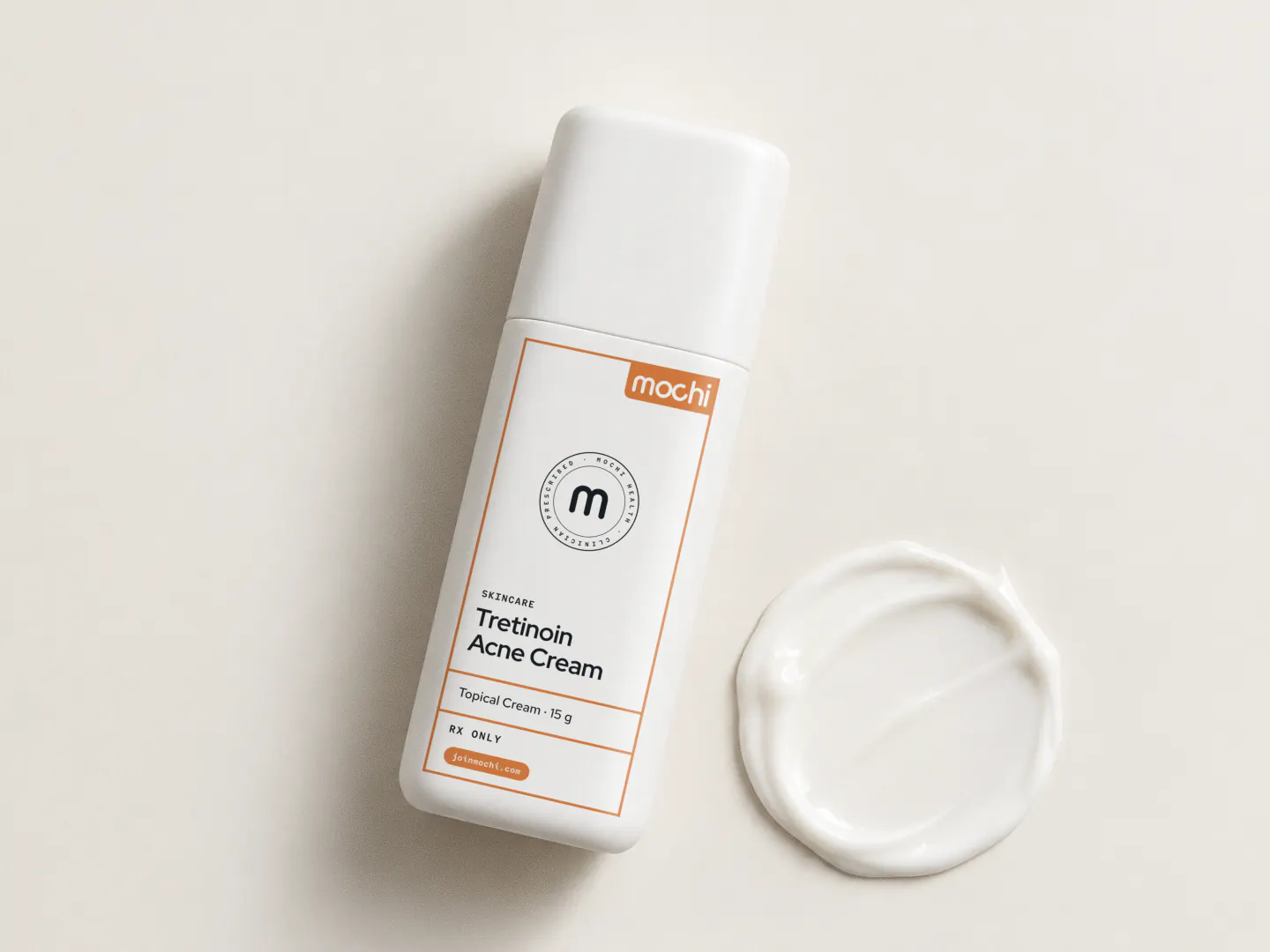
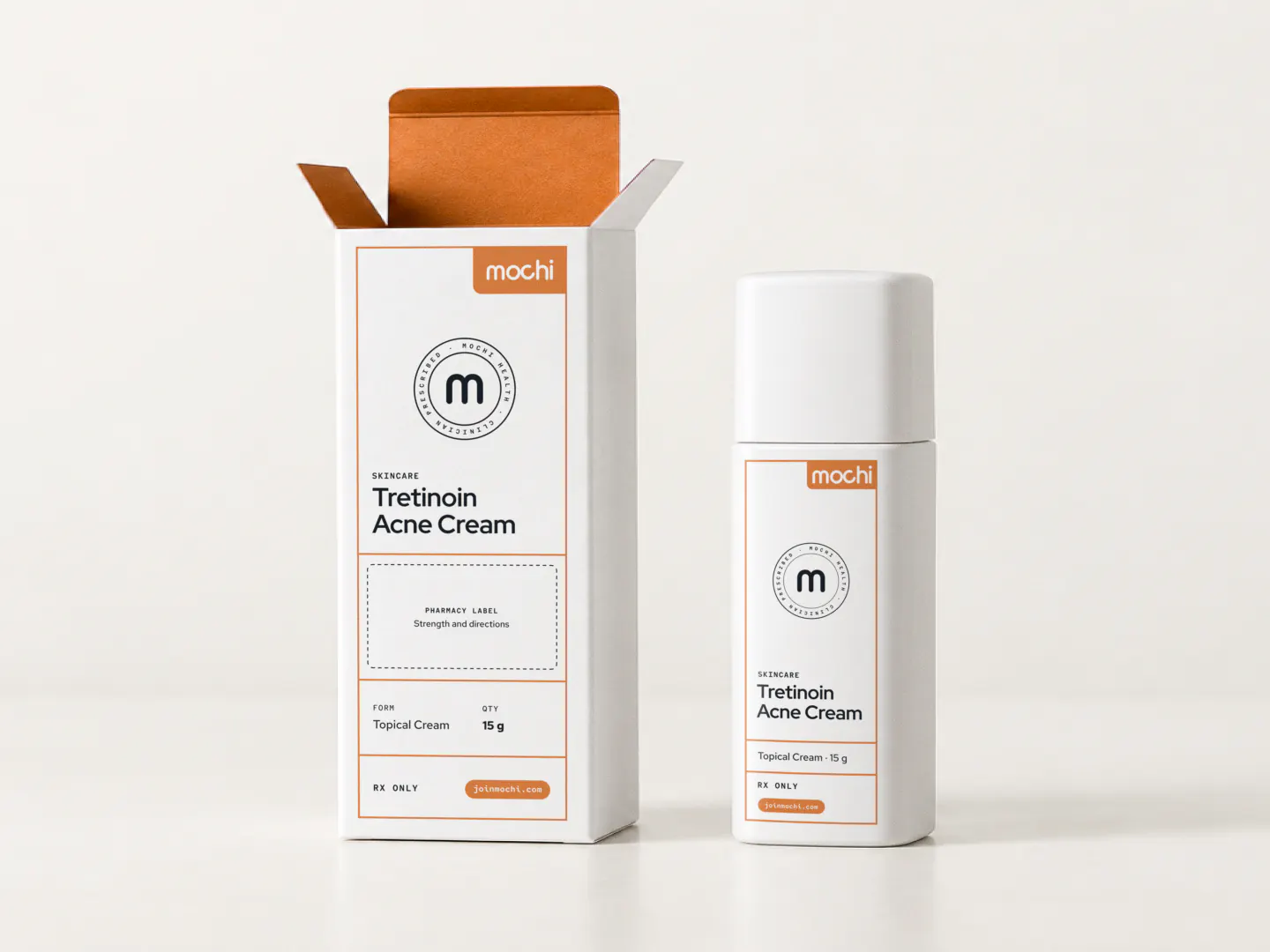
Product appearance may differ from image.
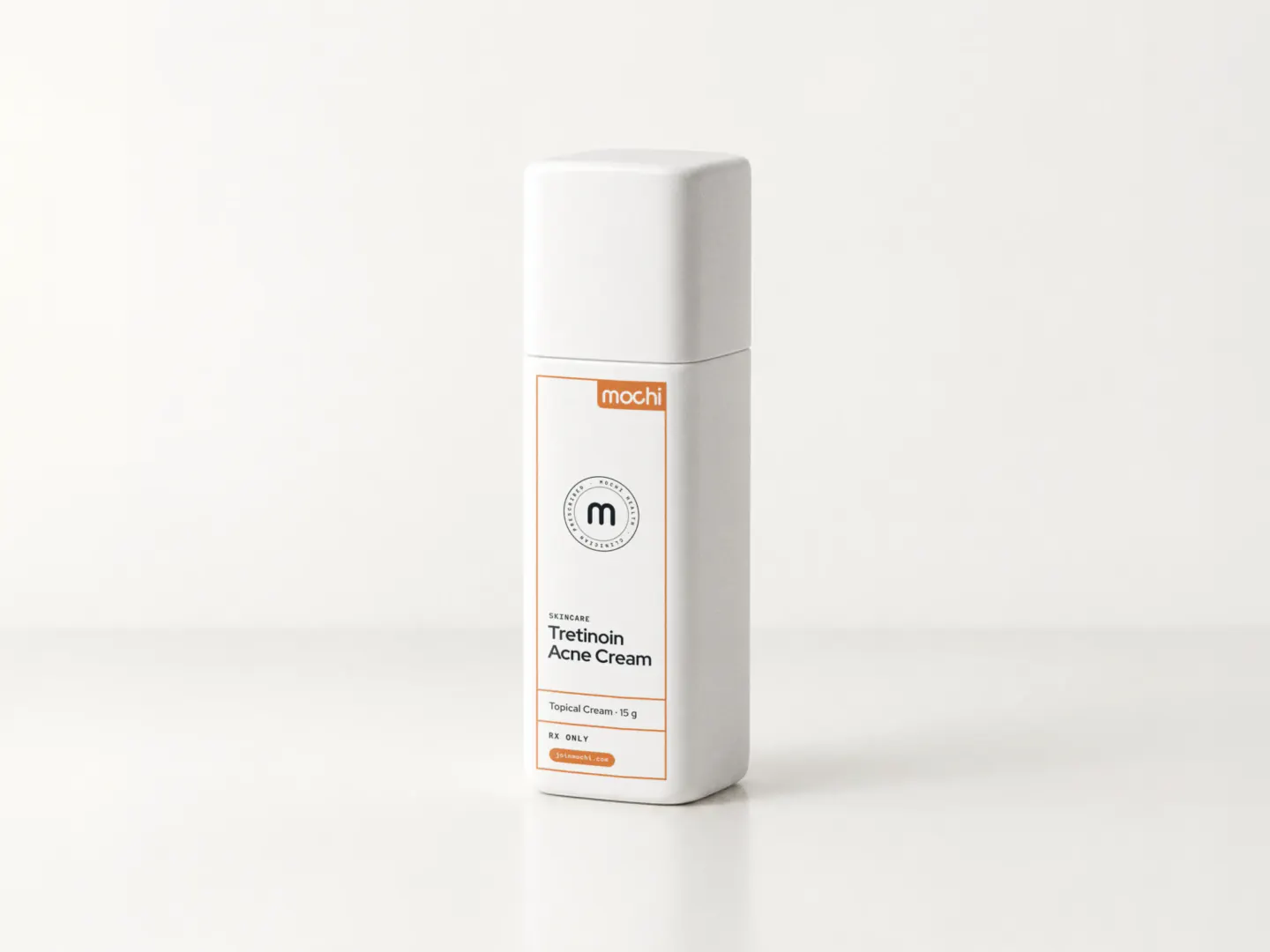
Tretinoin Acne Cream
A multi-action prescription nightly cream combining three gold-standard acne ingredients: tretinoin to unclog pores and clear blemishes, azelaic acid to fade dark marks, and niacinamide to soothe redness and strengthen your skin barrier. Available in three custom strengths, starting gentle to minimize irritation.
From$27.50/ month · 2-month supply
Check availability in your state
Pricing and availability can vary by state
This triple-action prescription formula tackles breakouts at every stage of the acne cycle in a single nightly step. Tretinoin accelerates cellular turnover to clear clogged pores and stop new blemishes before they form,¹ while azelaic acid targets acne-causing bacteria and fades lingering post-breakout dark marks.² To keep your complexion comfortable, niacinamide visibly calms redness and inflamed irritation.³
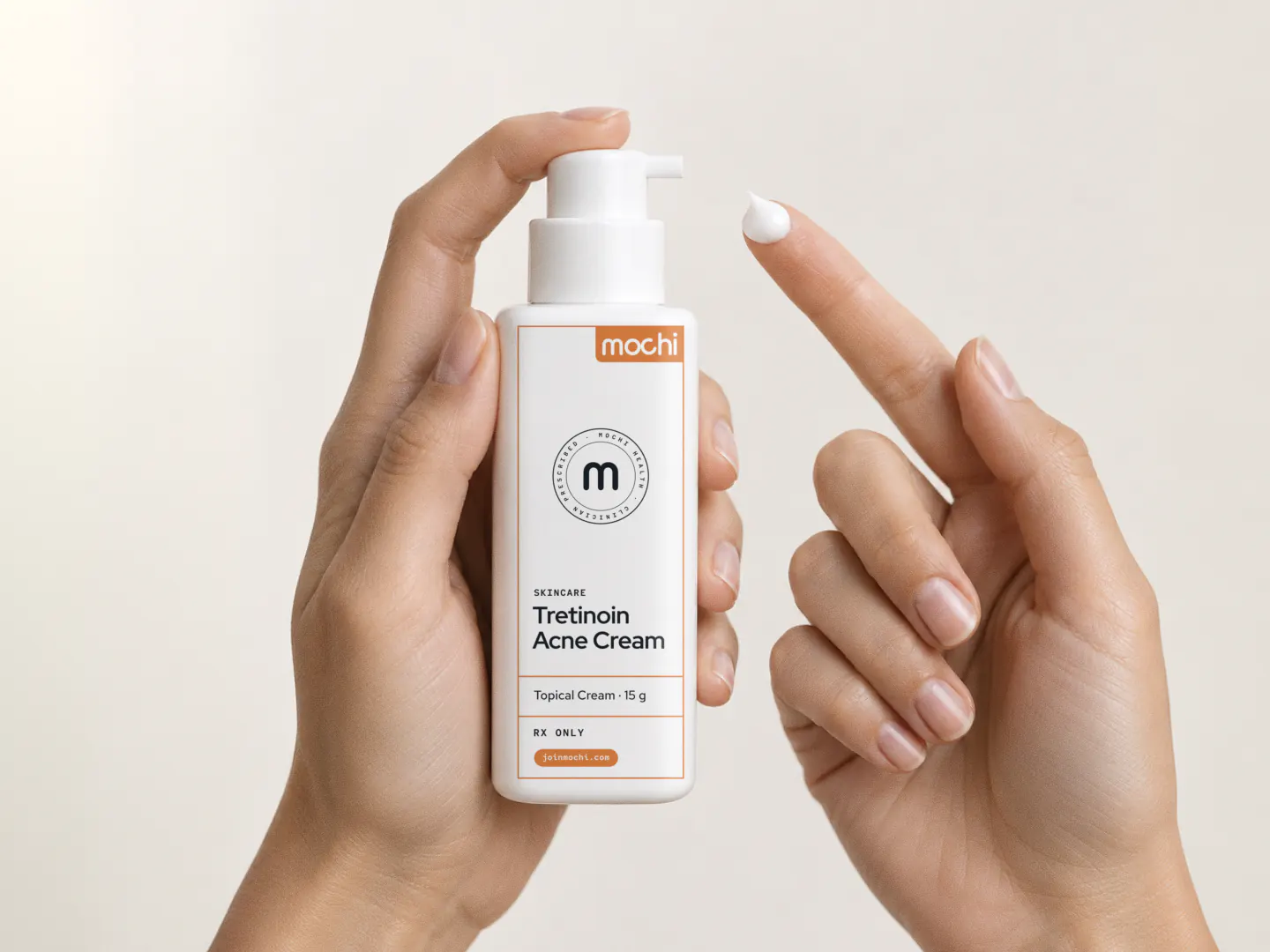
- Apply at night to clean, completely dry skin after washing with a gentle cleanser.
- Smooth a pea-sized amount over the entire area prone to breakouts, not just on individual spots.
- If your skin is sensitive, start by applying every other night, then gradually work up to nightly use.
- Wear a broad-spectrum sunscreen daily, as tretinoin increases sensitivity to the sun.
- Using more than a pea-sized amount will not speed up results and can cause irritation.
- Tretinoin (0.015%, 0.03%, or 0.045%)
- Azelaic Acid (4%)
- Niacinamide (4%)
Tretinoin Acne Cream is a compounded product. FDA does not approve nor verify the safety, effectiveness, or quality of compounded drugs.
A licensed provider reviews your online visit before anything is prescribed. Async provider review fee waived on your first Mochi order. Otherwise, $9.99 per async provider review.
What our members have to say
5.0out of 5
I LOVE THIS! It’s so silky and smooth going on your face….it’s giving a luxurious feel while knowing it’s...helping texture and dark spots.
- Very effective
- Great packaging
- Fast delivery
- Clear instructions
- Good value
*Ratings and tags are from Mochi members. Individual results may vary.
Our formula
Three actives in one cream, for breakouts, dark spots and redness, all in a single step.
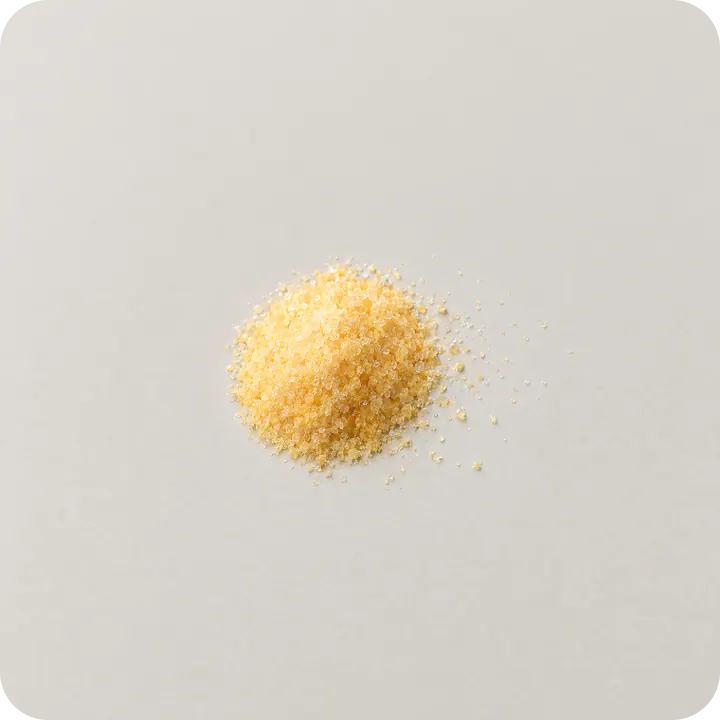
Tretinoin0.015% / 0.03% / 0.045%
A prescription retinoid that speeds up skin cell turnover, so pores stay clear, dark spots fade and skin looks smoother.
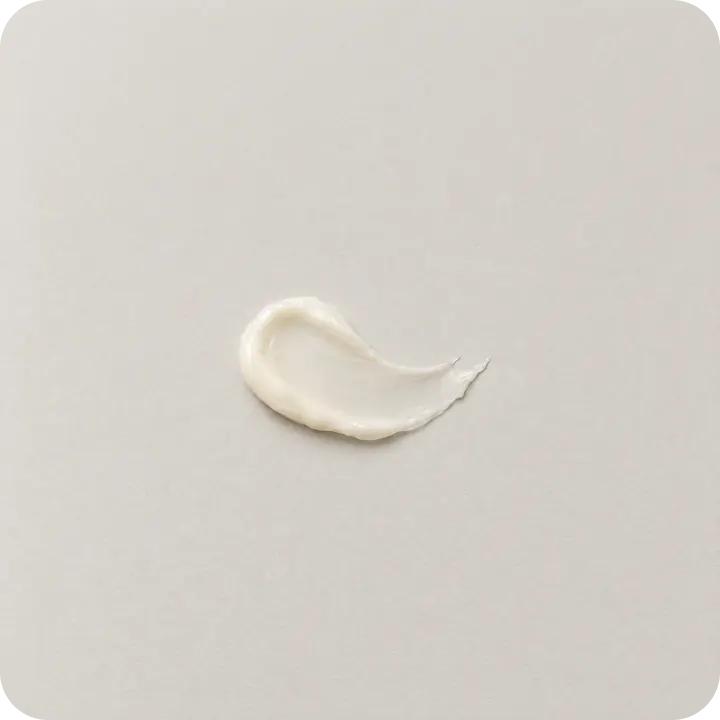
Azelaic Acid4%
Targets acne-causing bacteria without antibiotics and visibly fades stubborn post-breakout dark spots.
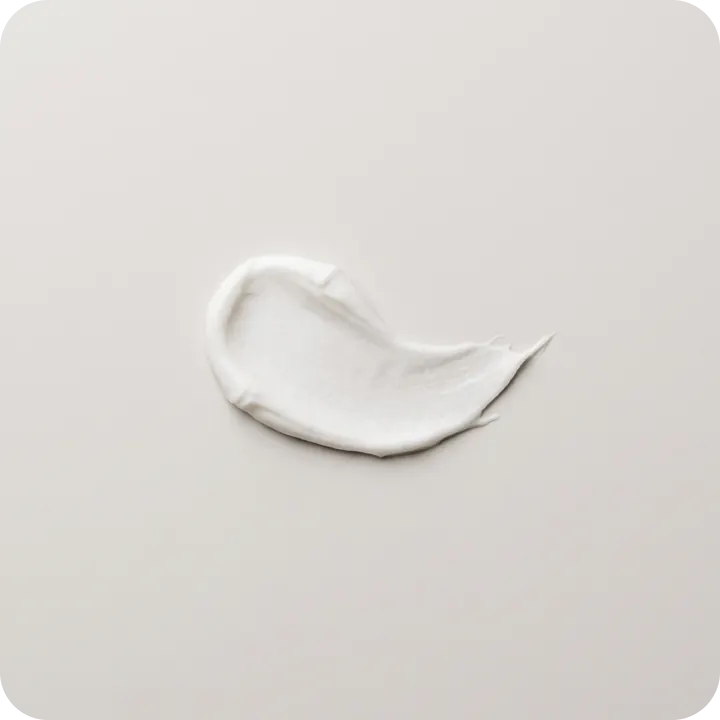
Niacinamide4%
Smooths rough texture, fades dark spots, calms redness and helps skin hold on to moisture.
What to expect
One nightly cream. Here is how your skin transforms over time.
- Weeks 1–2
Adjusts & adapts
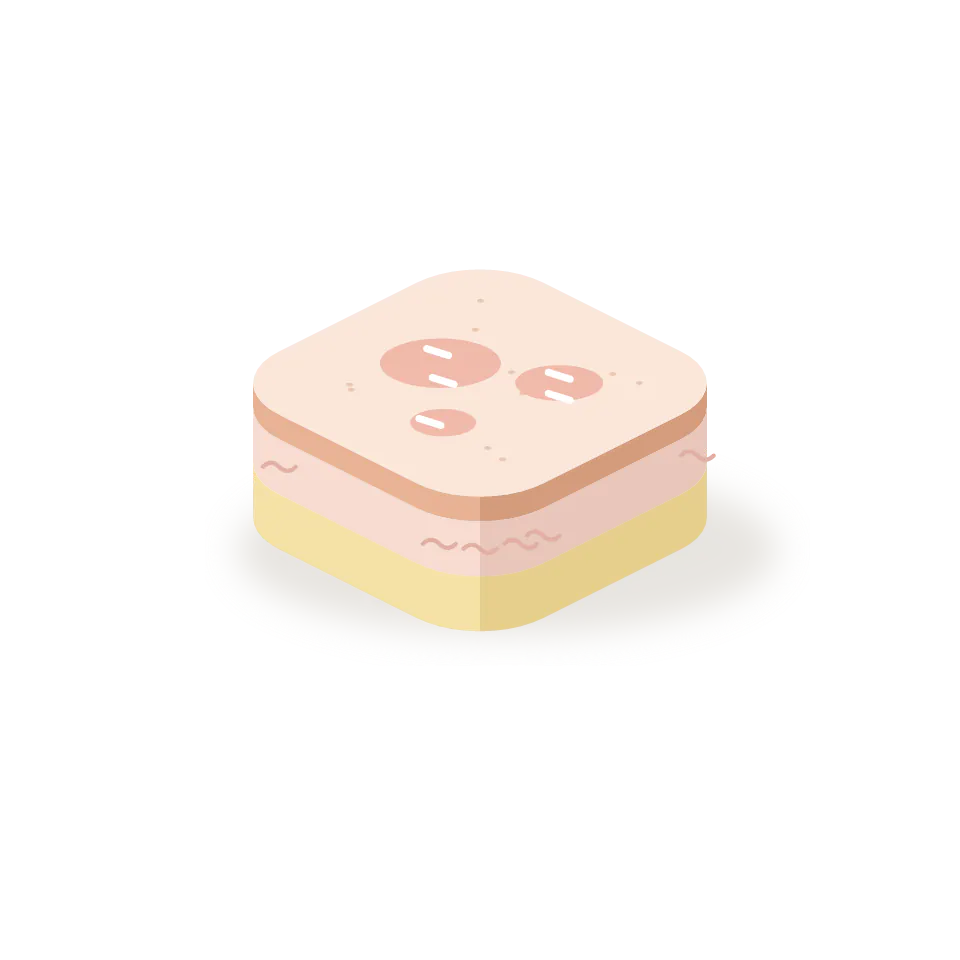
Skin may feel dry, red, or flaky as turnover begins. Starting low keeps irritation mild and brief.¹
- Weeks 3–6
Purges deep clogs
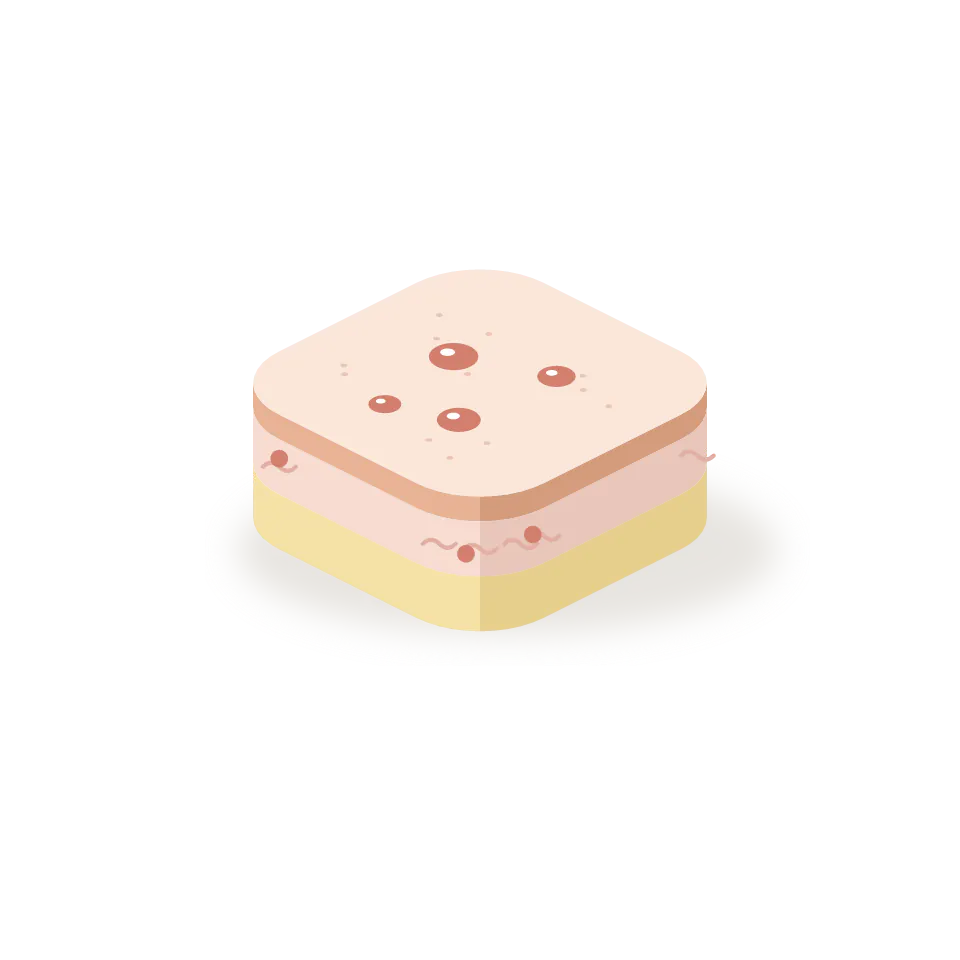
Early blemishes can surface as trapped buildup clears. This purge is normal and shows it is working.¹
- Weeks 6–12
Clears & fades marks
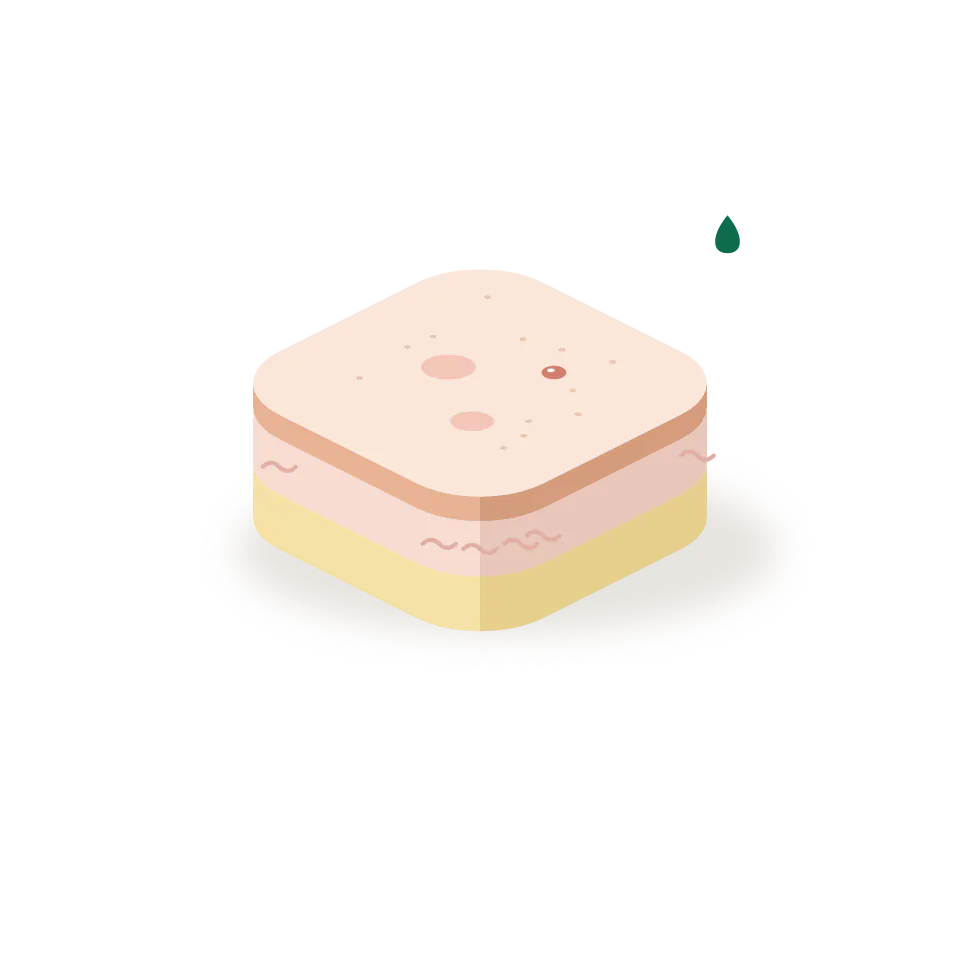
Active breakouts noticeably clear, texture refines, and post-acne dark spots start to fade.²
- Weeks 12+
Sustains clear skin
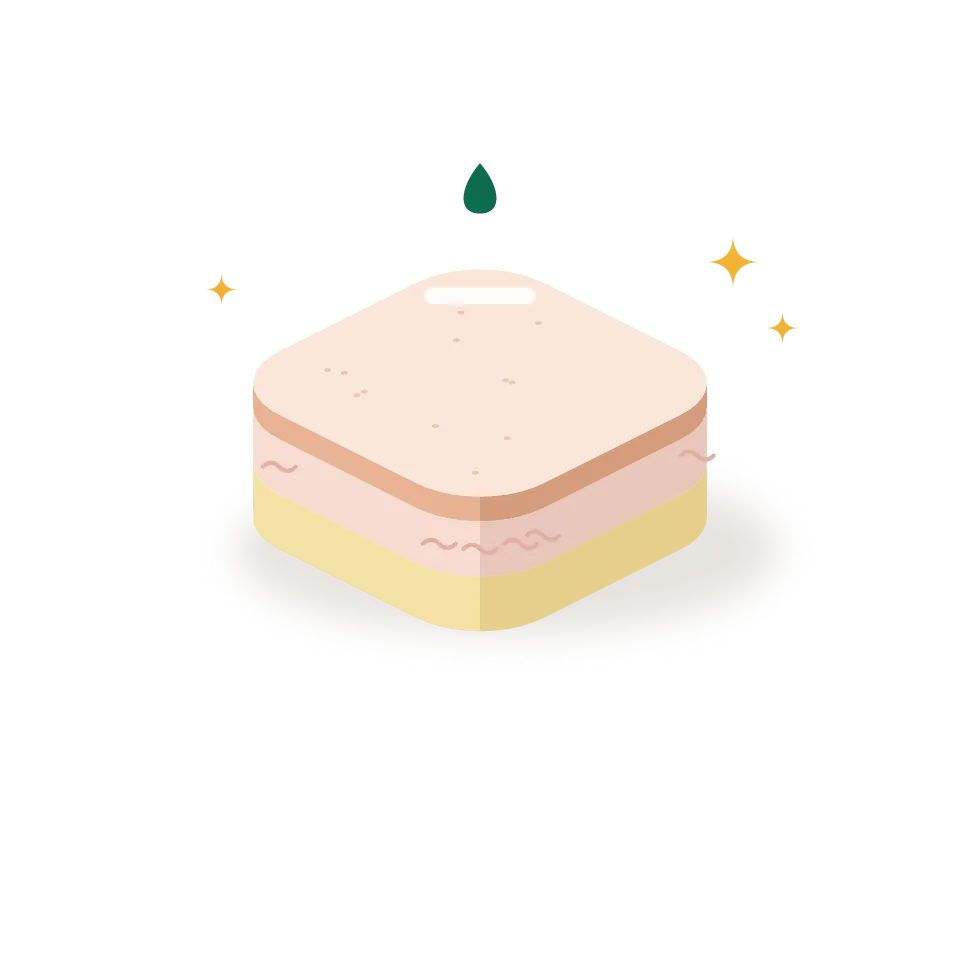
Major improvements lock in. Ongoing nightly use helps prevent future breakouts before they start.⁴
Where it fits in your routine
PM- Step 1Cleanse
- Step 2Apply the creamWhere we fit
Smooth a pea-sized amount over breakout areas.
- Step 3Moisturize
- Step 4Apply SPF in the morning
What makes Mochi’s acne cream different?
Mochi’s acne cream
Over the counter acne treatments
Prescription tretinoin custom-dosed by a licensed provider, combined with 4% azelaic acid and 4% niacinamide. It treats active breakouts, fades post-acne marks, and calms inflammation all in one nightly step designed for your skin’s tolerance level.
Mostly rely on weaker cosmetic retinols, benzoyl peroxide, or salicylic acid with one-size-fits-all formulas. They often dry out the skin without clearing deeper clogs or addressing lingering dark spots, and there is no clinician customizing your treatment.
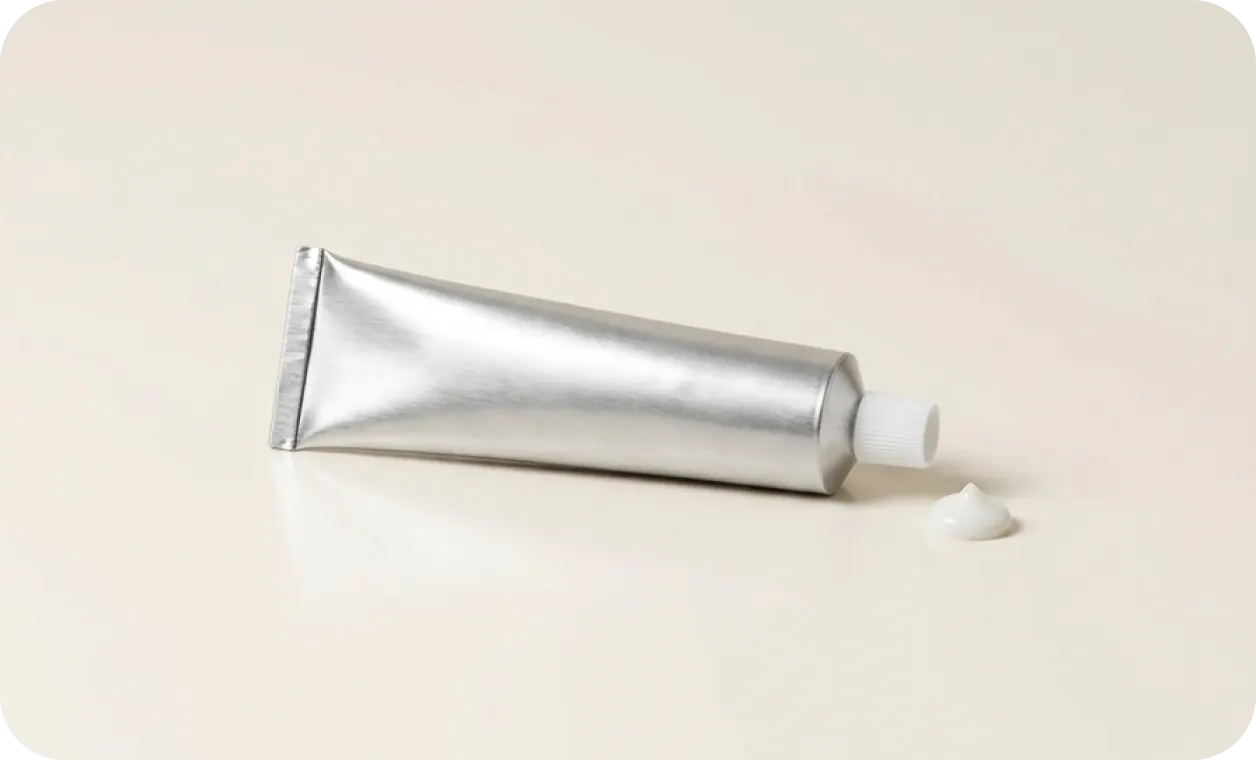
Mochi’s acne cream
Standard tretinoin
Formulated with buffering niacinamide and brightening azelaic acid alongside tretinoin. This multi-ingredient approach tackles bacteria and redness while reducing the harsh peeling and irritation typical of standalone tretinoin.³
Typically prescribed as a single active ingredient that can cause intense flaking, purging, and redness without barrier-supporting ingredients. It also leaves post-acne marks and bacteria to separate products.
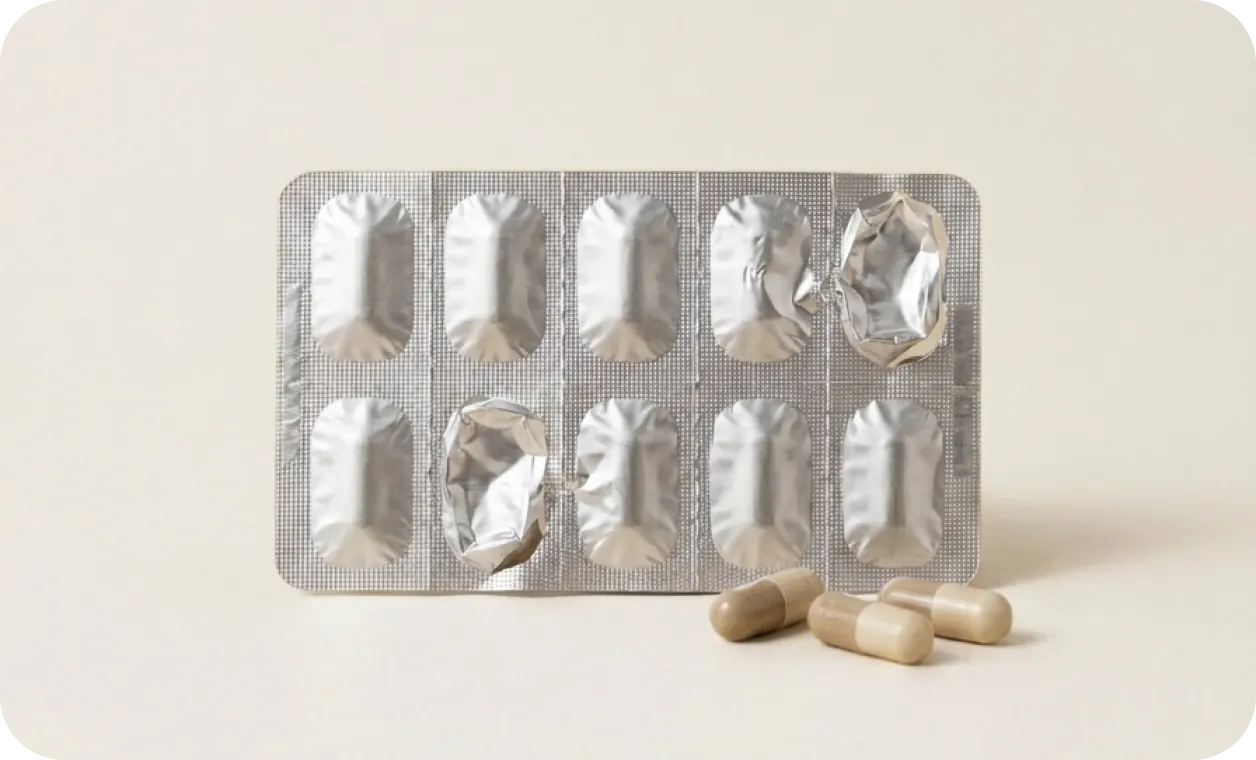
Mochi’s acne cream
Oral antibiotics
A targeted topical solution that unclogs pores, clears bacteria, and fades discoloration right at the source without impacting your gut microbiome or risking long-term antibiotic resistance.²
Systemic medications meant for short-term use that can disrupt gut health, cause nausea, and lose effectiveness over time due to bacterial resistance, without actively speeding cell turnover to keep pores clear long-term.

How Mochi works
A licensed provider reviews your intake and ships your prescription to your door.
Share your health profile
Complete a quick online intake covering your health history, current medications, and health goals.
Provider review & prescription
A licensed provider typically reviews your intake within 24 hours and, if appropriate, prescribes your treatment.
Fast, free delivery
Your medication ships straight to your doorstep. Message your provider whenever you have questions.
Tretinoin Acne Cream
From$55/ 2 months
+ async provider reviewRegularly $9.99$0 first order
Your membership includes:
- Prescription treatment, made for you
- Licensed provider review
- Unlimited messaging with your provider
- Free shipping on every order
Cancel anytime. Charged only if prescribed.
I believe good skin care should be personal, and over-the-counter products can only go so far.
More than 5,000 patients have been prescribed skin treatments through the Mochi platform, and with dozens of formulations to choose from, providers can match the treatment to each patient’s skin type and goals.

Dr. Elizabeth Recupero, DO, MPH, MEd
Medical Director, Mochi Medical
Explore other treatments
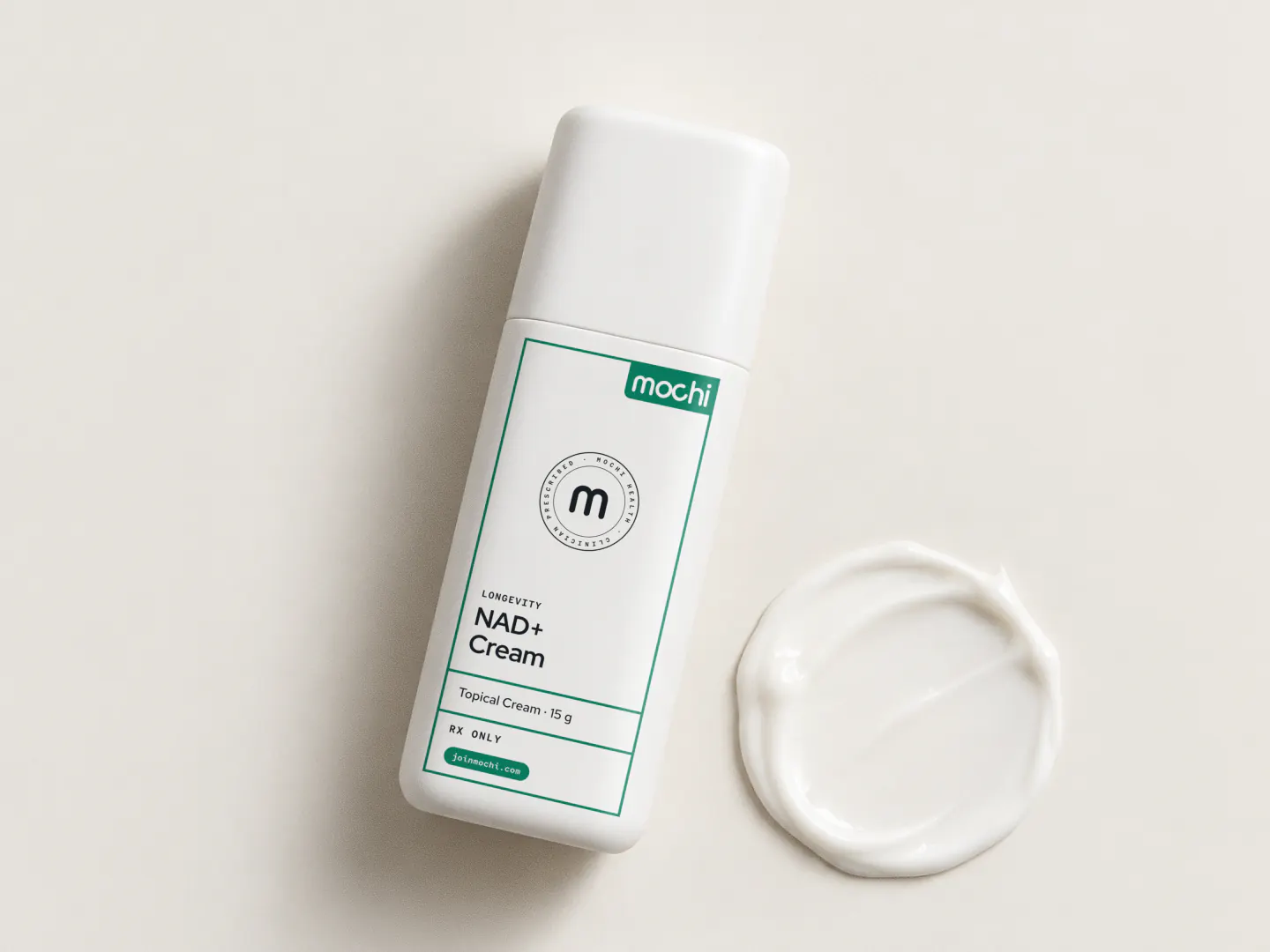 RxLongevity & Peptides
NAD+ Face Cream
$52 / month
NAD+ in a cream for brighter, smoother-looking skin.
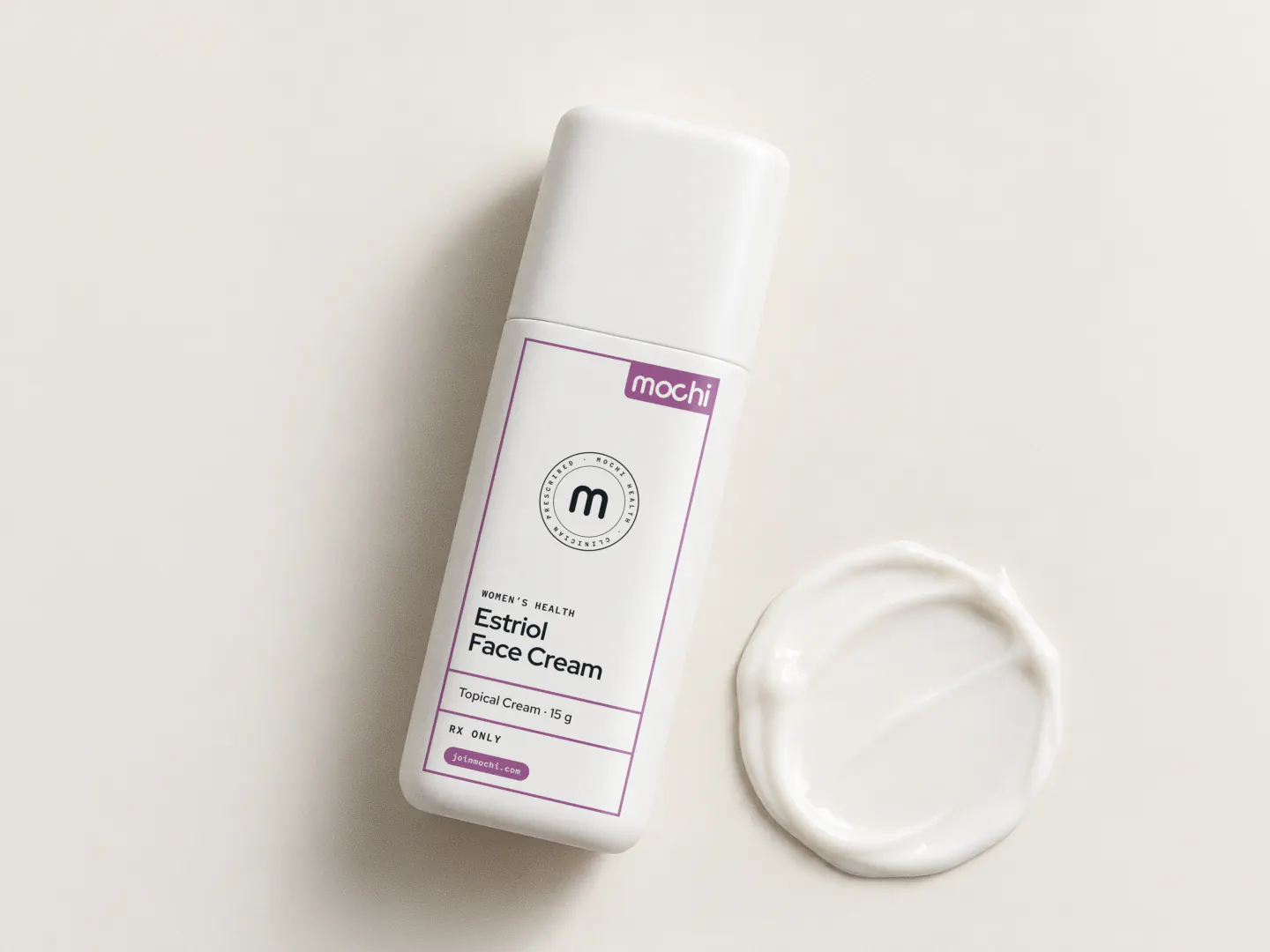 RxWomen's Health
Estriol Face Cream
$65 / 3 months
A prescription night cream for firmer, more hydrated skin in menopause.
 RxSkincare
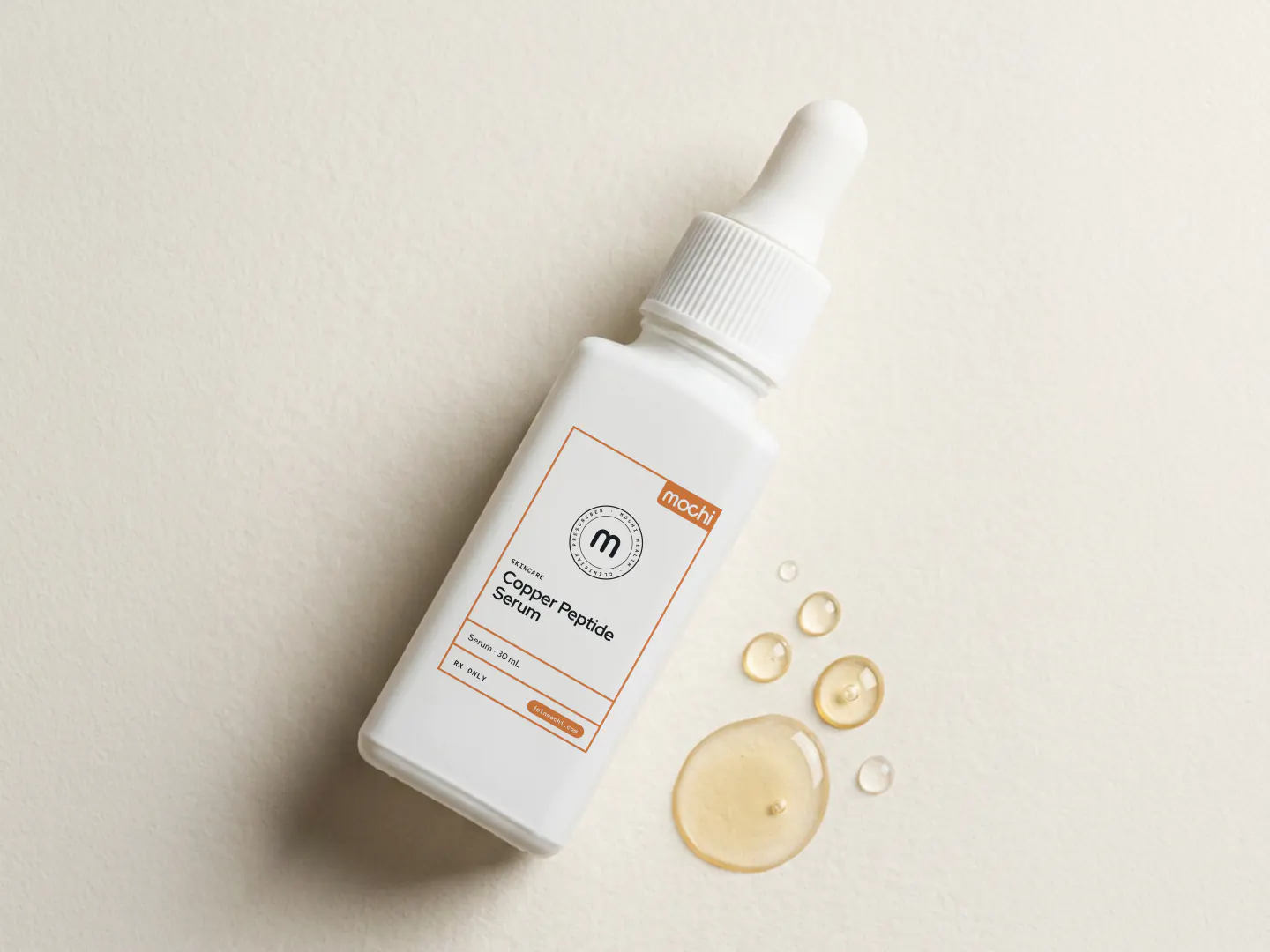
Copper Peptide Serum
$119 / 2 months
A GHK-Cu serum for firmer-looking skin and a more even tone.
 RxSkincare
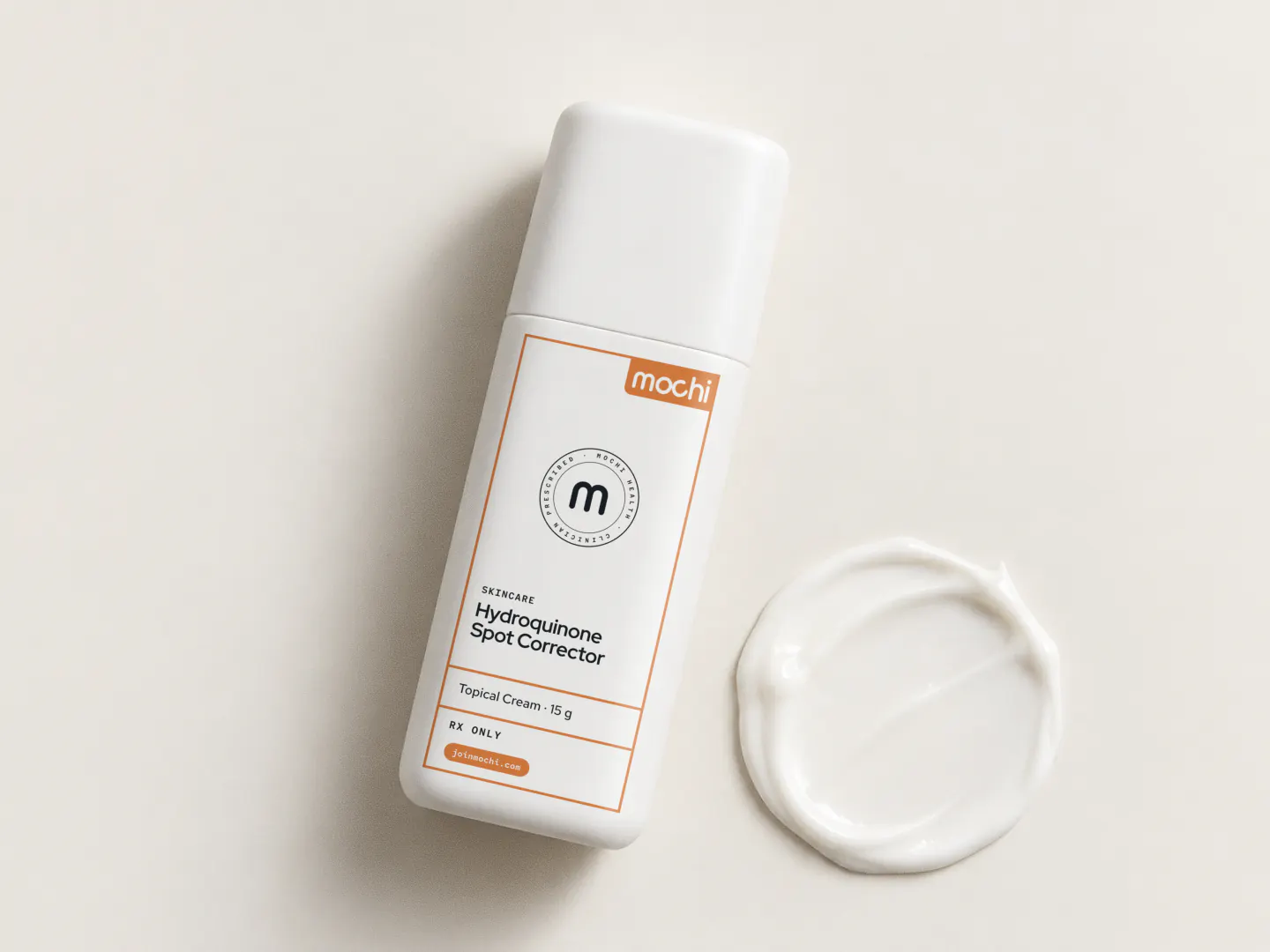
Hydroquinone Spot Corrector
$40 / month
Prescription hydroquinone made to fade dark spots and melasma.
FAQs
Answers to the most common questions about Tretinoin Acne Cream.
During the first few weeks, it is completely normal to experience a temporary uptick in breakouts. Tretinoin accelerates cellular turnover, rapidly bringing existing micro-clogs beneath the surface out into the open. This temporary flare is a sign the medication is clearing deep congestion and is not a reason to stop. Starting at a gentle introductory strength helps keep purging mild and manageable.¹
Mild dryness and peeling are common adjustment signs. To soothe your skin, reduce application to every other night for the first two to four weeks, make sure you are using only a pea-sized amount, and layer on an oil-free moisturizer. If you develop severe redness, swelling, burning, or blistering, stop use immediately and message your provider.¹
Keep your regimen simple while your skin adjusts: pair your cream with a gentle, non-foaming cleanser, an oil-free moisturizer, and a daily broad-spectrum sunscreen. Pause harsh physical scrubs, astringents, and other active exfoliants such as salicylic acid, benzoyl peroxide, glycolic acid, or alcohol-based formulas. Check with your provider before layering any additional acne treatments.¹
Yes. Make sure to thoroughly remove all cosmetics with a gentle cleanser and allow your skin to dry completely before applying your cream at night. Opt for mineral or oil-free products labeled non-comedogenic so they will not clog pores while your skin heals.⁵
Your provider selects from three strengths (0.015%, 0.03%, or 0.045% tretinoin) based on your skin type, sensitivity levels, and retinoid history. First-time retinoid users typically start at the gentle 0.015% concentration to build skin tolerance comfortably before considering an increase.
No. Topical retinoids like tretinoin are contraindicated during pregnancy and when actively trying to conceive. If you are pregnant, planning a pregnancy, or breastfeeding, let your provider know so they can recommend safe, pregnancy-friendly acne alternatives.⁶
As seen in




























Ratings & reviews
Supporting studies
Leyden, James, et al. “Why Topical Retinoids Are Mainstay of Therapy for Acne.” Dermatology and Therapy (opens in a new tab), vol. 7, no. 3, 2017, pp. 293–304. doi:10.1007/s13555-017-0185-2.
Searle, Tamara, et al. “The Versatility of Azelaic Acid in Dermatology.” Journal of Dermatological Treatment (opens in a new tab), vol. 33, no. 2, 2022, pp. 722–32. doi:10.1080/09546634.2020.1800579.
Berson, Diane S., et al. “Niacinamide: A Topical Vitamin with Wide-Ranging Skin Benefits.” Cosmeceuticals and Cosmetic Practice (opens in a new tab), Wiley-Blackwell, 2014, pp. 103–12.
Callender, Valerie D., et al. “Effects of Topical Retinoids on Acne and Post-inflammatory Hyperpigmentation in Patients with Skin of Color: A Clinical Review and Implications for Practice.” American Journal of Clinical Dermatology (opens in a new tab), vol. 23, no. 1, 2022, pp. 69–81.
Draelos, Zoe Diana, and Joseph C. DiNardo. “A Re-evaluation of the Comedogenicity Concept.” Journal of the American Academy of Dermatology (opens in a new tab), vol. 54, no. 3, 2006, pp. 507–12.
Bérard, Anick, et al. “Is Topical Tretinoin Safe during the First Trimester of Pregnancy?” Journal of the American Academy of Dermatology (opens in a new tab), vol. 58, no. 2, 2008, p. AB58.